Search Results Are a Sales Page: How Search Results Build Trust
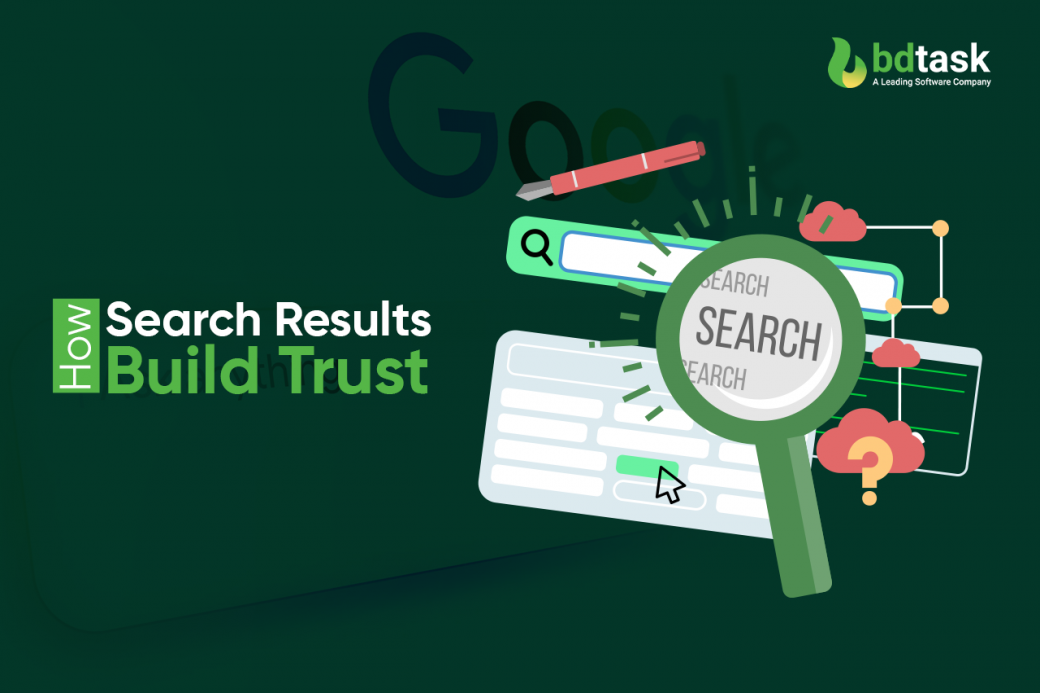
Learn how to shape what prospects see first so you can earn trust faster, reduce drop-offs, and protect conversion.
When someone hears about your brand, they do not “research” you the way a marketer does. They scan. They click one or two results. They look for signals that say “safe,” “real,” and “worth my time.”
That scan happens fast. UX research shows people often leave a page within 10 to 20 seconds if they do not quickly see value.
Now zoom out one layer: before they even reach your page, the search results page itself is doing the selling.
For premium brands, this matters even more. Your buyers tend to be cautious, comparison-driven, and reputation-aware. They will not gamble on uncertainty when there are plenty of alternatives. Luxuo’s own positioning highlights how its readers live in a world of high-end decisions across property, travel, watches, and more, where trust is part of the product.
This guide breaks down what people look for in that first minute, and which trust signals move the needle fastest.
What It Means When Search Results Act Like A Sales Page
Think of page one as your “pre-landing page.” It is the place where prospects decide whether you are:
- Legit or risky
- Established or unproven
- Premium or replaceable
- Worth a click or worth skipping
This is not just about one result ranking first. It is about the whole mix prospects see at a glance.
Core parts of this “search sales page” include:
- Branded results (home page, social profiles, press, listings)
- Review and forum snippets
- Knowledge panels and business profiles
- Headlines and dates (fresh vs stale)
- Visual cues (logos, sitelinks, star ratings, author names)
Did You Know? Nearly half of consumers in a Stanford credibility study said visual design influences credibility judgments. In other words, people trust what looks trustworthy.
What Signals Influence Trust The Fastest
Prospects usually follow a simple mental shortcut: “Is this brand consistent across independent sources?” Google’s research on decision-making shows people lean on biases like social proof and authority when they are evaluating options.
Here are the signals that tend to matter most in the first minute:
- Consistency: Same brand name, same story, same positioning across multiple results.
- Authority: Reputable publications, industry associations, and expert voices showing up near the top.
- Social proof: Reviews and third-party feedback that feel specific, current, and believable.
- Recency: Recent press, updated profiles, current leadership info, and fresh product pages.
- Clarity: Titles and snippets that make it easy to understand what you do and who you are for.
- Risk reduction: Policies, guarantees, transparent pricing ranges, and clear contact paths.
On reviews specifically, BrightLocal’s consumer research regularly finds that reviews influence how people feel about using a business, especially when they include real details and identifiable reviewers.
The 60-Second Scan: What Buyers Typically Do
Here is a realistic “first minute” pattern:
- They search your brand name (or your founder’s name).
- They glance at the top 5 to 7 results.
- They open one “official” result and one “independent” result.
- They look for signals that confirm safety: legitimacy, quality, and stability.
- If anything feels off, they bounce and keep shopping.
Key Takeaway: You are not only competing on product. You are competing on confidence.
Benefits Of Treating Page One Like A Landing Page
If you manage page one intentionally, you can:
- Reduce “silent no’s” where prospects leave without contacting you
- Increase branded click-through and direct traffic
- Shorten sales cycles because objections drop
- Protect premium pricing by reinforcing quality signals
- Limit damage when a negative result appears
Key Takeaway: The fastest trust wins come from making your footprint look consistent, current, and independently validated.
How Much Does It Cost To Improve Trust Signals On Page One?
Costs vary widely based on whether you are doing light cleanup or responding to a real reputation issue.
Common ranges you will see in the market:
- Monitoring and alerts: Low monthly cost (tools and light support)
- Content and profile upgrades: Project-based (writing, bios, PR assets, technical fixes)
- Review and listing management: Monthly (especially if you operate across locations)
- Suppression strategy: Ongoing (content creation plus authority building)
- Removal work: Case-based (depends on the source, policies, and complexity)
Cost drivers usually include how many branded queries you need to protect, how competitive your category is, and how much “negative inventory” exists on page one.
Tip: If you are not in crisis, start with monitoring and consistency fixes first. They are often the highest ROI and lowest risk.
How To Build Trust Signals In A Practical Way
1) Map your “buyer searches”
List the 10 to 20 searches a buyer might use, such as brand name, founder name, “brand reviews,” “brand pricing,” and “brand vs competitor.”
Look at what shows up now. Save screenshots. Track changes monthly.
2) Fix the “official layer” first
Make sure the results you control do the basics well:
- Clear positioning in titles and snippets
- Consistent naming across profiles
- Updated leadership and brand info
- Strong internal pages that match buyer intent (pricing, process, proof)
3) Add proof that feels independent
Buyers trust what they did not have to ask for:
- Earned media mentions
- Expert interviews and podcasts
- Case studies with real constraints and outcomes
- Third-party directories and associations
This aligns with how people move through evaluation: they look for authority and social proof to reduce uncertainty.
4) Strengthen review credibility
Do not chase volume only. Focus on believability:
- Specific experiences (what happened, what was delivered)
- Named reviewers where possible
- Timely recency (avoid long gaps)
- Professional, calm responses to negatives
5) Plan for “negative result containment”
Assume something can go wrong: a bad article, a viral post, an unfair review, a scraped listing.
Decide in advance:
- Who investigates
- Who responds publicly
- When you pursue removal vs suppression
- What you publish to reinforce trust
If you need help assessing what page one is communicating and what options exist, start with Erase’s website to understand common removal and cleanup paths.
How To Find A Trustworthy Reputation Partner
A good partner will talk about trade-offs, not guarantees.
Look for these green flags:
- Clear explanation of what they can and cannot control
- Written scope, timelines, and decision points
- Emphasis on policy-based, ethical methods
- Reporting that ties work to visible page-one changes
Red flags to avoid:
- “We can delete anything” promises
- Vague methods, secret tactics, or pressure to sign fast
- No discussion of risk (including backlash and amplification)
- Ownership issues (they build assets you cannot keep)
The Best Services To Support Page-One Trust
Here are four reputable options that map to different needs:
- Erase.com: Best for content removal guidance and cleanup workflows when harmful results are impacting trust.
- Push It Down: Best for search suppression campaigns when removal is not possible and you need to move results down.
- Reputation Galaxy: Best for ongoing brand monitoring and practical reputation operations support.
- Top Shelf Reputation: Best for tailored strategy, messaging alignment, and reputation-focused content assets.
How Search Trust Drives Custom Project Wins for Software Companies
For a software company selling custom development services, search is not just a traffic channel—it is often the first credibility test in a high-risk buying decision.
Unlike SaaS sign-ups, custom software projects involve:
- Long timelines
- High budgets
- Technical uncertainty
- Vendor dependency
Because of this, buyers rarely convert on the first visit. Instead, they use search to answer one core question:
“Is this software company safe to trust with a complex project?”
Search is the Pre-Sales Qualification Layer
When a potential client searches for a software company by brand name, service, or comparison they are silently qualifying you before any conversation happens.
Common searches include:
- “custom software development company”
- “enterprise software company reviews”
- “[company name] case studies”
- “software development pricing”
- “[company name] vs [competitor]”
If your search presence looks inconsistent, outdated, or thin, the buyer may never reach out even if your technical capability is strong.
Key insight:
In custom software sales, most rejections happen before the inquiry form is filled.
What Enterprise Buyers Look for in Software Company Search Results
Within the first 60 seconds, decision-makers scan for:
1. Proof of real delivery
Search results that show:
- Detailed case studies
- Industry-specific project examples
- Named clients or recognizable sectors
2. Technical credibility signals
Buyers trust companies that visibly demonstrate:
- Clear service specialization
- Technology stack expertise
- Thought leadership content written for practitioners
3. Business stability and professionalism
Search results should reflect:
- Consistent brand messaging
- Updated leadership and company information
- Professional reviews and third-party mentions
4. Risk reduction cues
Custom project buyers want reassurance:
- Clear development process
- Transparent engagement models
- Defined communication and support structure
When these signals appear across multiple search results, trust compounds quickly.
Why Search Matters More Than Ads for Custom Projects
Paid ads can introduce your company but search trust closes the gap.
Enterprise and mid-market buyers often:
- Click ads
- Then search the company name separately
- Compare organic results before making contact
If page one does not support the promise of the ad, confidence drops.
This is why software companies that rely only on ads often see:
- High CPC
- Low-quality leads
- Long, uncertain sales cycles
Search trust, on the other hand:
- Pre-qualifies serious buyers
- Reduces price resistance
- Attracts clients who value expertise over cost
Turning Search Visibility Into Custom Project Inquiries
To consistently attract custom development projects through search, software companies should focus on:
Service-led search pages
Create pages that clearly explain:
- Who the service is for
- What problems you solve
- How your process works
- What success looks like
Case-study-driven credibility
Case studies should rank for:
- Industry terms
- Problem-specific searches
- Comparison and evaluation queries
Founder and leadership visibility
Buyers often search leadership names to assess credibility. Optimized profiles help humanize the company and reduce perceived risk.
Search consistency across channels
Your website, listings, reviews, and third-party mentions should tell the same story same positioning, same value proposition, same level of professionalism.
The Compounding Advantage of Search Trust
When search trust is strong:
- Buyers arrive educated
- Sales conversations move faster
- Custom project scopes become clearer
- Negotiations shift from price to value
Over time, this creates a compounding effect: Better search signals → higher-quality inquiries → stronger case studies → even stronger search trust.
Key takeaway for software companies:
Search does not just help you get found. It helps buyers feel confident choosing you for work that cannot afford to fail.
Search trust FAQs
How long does it take to improve what buyers see?
If you are fixing consistency and updating core assets, you can often see early improvements within weeks. If you are trying to outrank entrenched results, it can take months, depending on competition and how strong the negative pages are.
Should I respond to negative reviews or try to remove them?
In many cases, respond first if the review is real and you can address it calmly. Removal may be possible when a platform policy is violated, but it is not guaranteed. A professional response can act as a trust signal for future buyers.
Do buyers still click results, or do AI answers reduce clicks?
AI summaries and richer results can reduce clicks in some cases, especially for informational searches. That makes it even more important that your brand’s surface-level signals (titles, snippets, reviews, third-party mentions) look trustworthy before the click.
What is the fastest trust signal I can add?
Clarity and consistency. Make sure what you do is obvious in your titles and snippets, and that multiple results confirm the same story. Then add one or two credible third-party proof points.
Conclusion
If you want more buyers to say “yes” faster, treat page one like a conversion asset, not an afterthought. The brands that win are the ones that look consistent, current, and independently validated in the first minute.
Start with a simple audit of your branded searches, fix your core assets, then build proof that holds up under scrutiny. When negative results appear, respond with a plan instead of panic, and choose the lowest-risk path to restore confidence

Contents
- Search results shape trust before the click. Learn how buyers judge credibility in seconds and how to optimize page one for confidence.
- What Signals Influence Trust The Fastest
- The 60-Second Scan: What Buyers Typically Do
- What Signals Influence Trust The Fastest
- How Much Does It Cost To Improve Trust Signals On Page One?
- How To Build Trust Signals In A Practical Way
- How To Find A Trustworthy Reputation Partner
- The Best Services To Support Page-One Trust
- How Search Trust Drives Custom Project Wins for Software Companies
- Search trust FAQs
- Conclusion


Pay With


